
Views: 0 Author: Site Editor Publish Time: 2025-11-25 Origin: Site


Fiber Laser Cladding Machines are reshaping the way industries improve the performance of critical components. By using high-energy lasers, these machines enhance metal surfaces, making them more precise, durable, and efficient.
In this article, we will explore how fiber laser cladding technology works and the key benefits it brings to industries like aerospace, automotive, and energy. You’ll learn how it helps parts resist wear, corrosion, and other challenges.
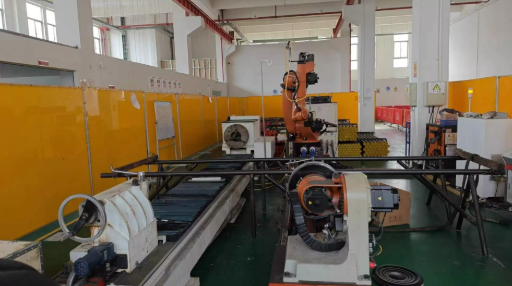
Fiber laser cladding is a surface modification technique that utilizes a high-energy laser beam to melt metal powders, which are either pre-applied to the surface of the component or fed into the melt pool during the cladding process. The heat from the laser melts the powder, and the molten material then fuses with the substrate, forming a metallurgical bond. This process enhances the substrate's surface by improving its wear resistance, corrosion resistance, and other key properties.
The precision and control provided by fiber lasers distinguish this process from traditional coating or welding methods. The laser systems ensure that the material is applied exactly where it is needed, resulting in uniform layers with minimal distortion. This makes fiber laser cladding ideal for applications where surface integrity and fine details are critical.
Fiber laser cladding offers a multitude of benefits that make it a preferred choice in industries demanding high-performance materials.
Fiber lasers provide exceptional precision, making them perfect for applications requiring intricate designs and tight tolerances. The ability to control material deposition with high accuracy ensures that the cladding layer is uniform in thickness, offering reliable and consistent results. This precision is critical when producing complex parts or parts with intricate features that must meet strict quality standards.
The capability to manage the material deposition process with extreme accuracy ensures consistent results, especially in industries like aerospace, where components need to meet strict specifications for size and geometry.
One of the most significant benefits of fiber laser cladding is the enhanced durability it offers. The laser fusion process creates a strong metallurgical bond between the cladding material and the substrate, significantly improving wear resistance, corrosion resistance, and overall surface hardness. This makes fiber laser cladding an ideal solution for parts that face harsh operational environments, such as high-temperature conditions, chemical exposure, and abrasive wear.
For example, turbine blades in aerospace, which undergo constant stress, benefit greatly from the durability enhancements provided by fiber laser cladding.
Efficiency in manufacturing is a key consideration for many industries, and fiber laser cladding delivers substantial improvements. The precise control over material deposition allows manufacturers to reduce waste, improve processing speed, and lower operational costs. Fiber laser cladding systems also support high-speed laser metal deposition (HS-LMD), which accelerates the cladding process, particularly for large surface areas, making it suitable for high-volume production.
This ability to enhance production efficiency is essential for industries requiring fast turnaround times without compromising quality.
Fiber laser cladding has proven valuable across a wide range of industries. Here are some of the key sectors that benefit from this advanced technology:
Aerospace: Fiber laser cladding is used to improve the surface properties of critical aerospace components like turbine blades and engine parts. These parts are exposed to extreme temperatures and high-stress conditions, and fiber laser cladding provides enhanced resistance to fatigue, wear, and thermal degradation.
Automotive: In the automotive industry, components such as engine valves, camshafts, and pistons are subject to wear and corrosion. Fiber laser cladding improves the wear resistance and corrosion resistance of these parts, extending their lifespan and reducing maintenance costs.
Energy Sector: Fiber laser cladding helps protect and repair power generation equipment such as turbine blades, heat exchangers, and pipelines. It enhances their durability and resistance to harsh environmental conditions, minimizing downtime and reducing replacement costs.
Tooling: In tooling applications, fiber laser cladding strengthens molds and dies, making them more resistant to wear and improving their longevity in production environments.
| Industry | Components/Parts | Benefits of Cladding |
|---|---|---|
| Aerospace | Turbine blades, engine components | Improved resistance to fatigue, thermal degradation |
| Automotive | Engine valves, camshafts, pistons | Enhanced wear resistance, corrosion resistance |
| Energy | Turbine blades, heat exchangers, pipelines | Increased durability, reduced downtime, extended life |
| Tooling | Molds, dies | Strengthened resistance to wear, longer lifespan |
The precision of fiber laser cladding comes from its ability to finely control the deposition of cladding material. By adjusting factors such as laser power, scanning speed, and powder feed rate, manufacturers can ensure that the material is applied exactly where needed, without excess material or distortion. This control over the deposition process is especially important in industries like aerospace, where components must meet stringent specifications for size and geometry.
The high precision of fiber laser cladding makes it an indispensable tool for creating parts with complex geometries and intricate features. This accuracy is key in applications such as turbine blades and engine components, where even slight variations in surface properties can significantly impact performance.
Several key process parameters must be carefully optimized to achieve the best results in fiber laser cladding. These include:
Laser Power: The power setting of the laser determines the depth of penetration and the amount of heat applied to the substrate. Too much power can lead to excessive heat, while too little power may result in inadequate bonding between the substrate and the cladding material.
Scanning Speed: The scanning speed refers to how fast the laser moves across the substrate. Adjusting the speed influences the amount of heat applied to the material and its cooling rate, which affects the quality and uniformity of the cladding layer.
Powder Feed Rate: The rate at which powder is fed into the melt pool is crucial for ensuring a consistent layer thickness. A controlled feed rate ensures that the powder is evenly distributed and helps prevent defects such as porosity or incomplete fusion.
By fine-tuning these parameters, manufacturers can achieve the desired cladding results, ensuring the surface properties meet the required performance standards.
| Parameter | Effect on Cladding | Importance |
|---|---|---|
| Laser Power | Affects depth of penetration and heat applied to substrate. | Crucial for achieving optimal bonding and material fusion. |
| Scanning Speed | Determines the cooling rate and heat input. | Impacts the uniformity and quality of the cladding layer. |
| Powder Feed Rate | Controls the amount of powder deposited into the melt pool. | Ensures uniform layer thickness and prevents defects. |
Fiber laser cladding offers consistent and high-quality results due to its ability to precisely control the material deposition process. The uniformity of the cladding layer is critical for achieving the desired mechanical properties, such as increased wear resistance and reduced friction. Additionally, the minimal heat-affected zone ensures that the substrate's properties are not altered by excessive heat, preserving the integrity of the material.
This consistency is vital for industries like aerospace, where even small variations in surface properties can affect the performance and safety of critical components.
Fiber laser cladding significantly improves the wear and corrosion resistance of metal surfaces. By applying a layer of hard, wear-resistant material to a substrate, the cladded part becomes more durable and capable of withstanding harsh operating conditions. This is particularly important in industries where components are exposed to extreme temperatures, friction, or corrosive substances.
For example, in the automotive industry, fiber laser cladding enhances the performance of engine components like camshafts and cylinder liners, which are subject to high wear. Similarly, in aerospace, turbine blades benefit from cladding that improves their resistance to thermal degradation and fatigue.
Aerospace: Turbine blades used in jet engines are subjected to high temperatures and extreme pressure. Fiber laser cladding helps restore these components by adding a layer that improves their resistance to thermal fatigue and erosion. This not only extends the service life of the blades but also ensures they perform at optimal levels throughout their lifecycle.
Automotive: Components such as camshafts and engine valves benefit from the wear-resistant properties provided by fiber laser cladding. These parts are subjected to constant friction and harsh environmental conditions. The cladding improves their longevity, reducing the need for frequent replacements and minimizing downtime.
The selection of cladding material plays a critical role in determining the performance and durability of the cladded surface. Materials such as nickel-based alloys, cobalt-based alloys, and ceramic composites offer excellent wear and corrosion resistance. When choosing cladding materials, manufacturers must consider the specific operational conditions of the component, such as temperature range, exposure to chemicals, and mechanical stress.
By selecting the right materials, manufacturers can ensure that the cladded surfaces will perform optimally and withstand the demanding conditions in which they will be used.
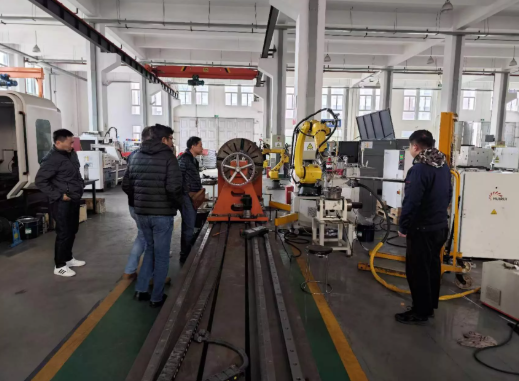
One of the key benefits of fiber laser cladding is its efficiency. The precise control over material deposition ensures minimal waste, while the high-speed laser metal deposition (HS-LMD) allows for rapid processing. This reduces manufacturing time, improves material utilization, and ultimately lowers production costs. Fiber laser cladding systems can process large areas quickly, making them ideal for industries that require high-volume production.
Moreover, the fast processing time means that manufacturers can meet tight deadlines, accelerating their time-to-market and boosting overall productivity.
Automation plays a significant role in enhancing the efficiency of fiber laser cladding. By integrating automated systems, manufacturers can reduce the need for manual labor, which not only lowers labor costs but also minimizes the risk of human error. Automation ensures that the cladding process is repeatable and consistent, which is essential when producing large quantities of identical parts.
The integration of fiber laser cladding into automated production lines allows manufacturers to scale their operations and increase throughput while maintaining high levels of precision and quality.
Fiber laser cladding reduces operational costs in several ways. First, the high precision of the process minimizes material waste, making it more cost-effective than traditional cladding methods. Second, fiber laser cladding requires less energy compared to other surface enhancement techniques, which reduces overall energy consumption.
Additionally, because fiber laser cladding is a clean process with no pollutants or harmful emissions, it is an environmentally friendly option for manufacturers. This aligns with sustainability goals, making it an ideal choice for companies looking to reduce their environmental footprint.
For successful fiber laser cladding, it's essential to ensure that the base material and the cladding material are compatible. Material incompatibility can lead to poor bonding and reduced performance. Surface preparation is also critical to achieving strong metallurgical bonds. The substrate must be clean and free from contaminants like oils, rust, or dirt before the cladding process can begin.
By ensuring proper surface preparation and selecting compatible materials, manufacturers can avoid defects and achieve a high-quality cladding layer. Choosing Jinan Pioneer CNC Technology Co., Ltd. can help address these challenges with advanced solutions for material compatibility and surface preparation.
Different materials, such as metals, ceramics, and composites, require specific cladding parameters for optimal results. Adjusting the laser power, scanning speed, and powder feed rate for each material ensures that the cladding process is efficient and produces high-quality results.
Manufacturers must also account for the material's unique properties, such as thermal conductivity and melting point, to fine-tune the cladding process and avoid issues like overheating or incomplete fusion.
While the initial setup cost for fiber laser cladding equipment can be significant, the long-term savings are substantial. The process reduces material waste, improves efficiency, and minimizes maintenance costs, making it a cost-effective choice for industries that require high-quality components.
Fiber laser cladding machines provide exceptional precision, durability, and efficiency in surface enhancement. As the technology advances, its impact on industries continues to grow. Manufacturers can improve component performance, extend lifespan, and lower costs by adopting fiber laser cladding. Additionally, these machines reduce environmental impact, making them a sustainable choice.
For companies like Jinan Pioneer CNC Technology Co., Ltd., fiber laser cladding products offer a unique combination of advanced features and exceptional value. With a focus on precision and reliability, their products help businesses enhance production processes and stay competitive in a rapidly evolving market.
A: A Fiber Laser Cladding Machine uses a high-energy laser to melt metal powders and fuse them to a substrate, enhancing the surface's wear resistance, corrosion resistance, and overall durability.
A: Fiber laser cladding improves metal surface performance by applying a precise, durable cladding layer that enhances wear resistance, reduces corrosion, and improves overall component longevity.
A: A Fiber Laser Cladding Machine offers unmatched precision, efficiency, and durability, making it an ideal solution for industries like aerospace, automotive, and energy, where components face harsh conditions.
A: Industries such as aerospace, automotive, energy, and tooling benefit from Fiber Laser Cladding Machines due to their ability to enhance critical components' durability and wear resistance.
A: While the initial investment in a Fiber Laser Cladding Machine can be significant, the long-term savings come from reduced material waste, faster processing speeds, and lower maintenance costs.


