
Views: 0 Author: Site Editor Publish Time: 2025-12-09 Origin: Site


In today’s fast-paced manufacturing world, precision and speed are more important than ever. Traditional methods struggle to keep up with these demands. This is where automatic laser processing lines come into play, transforming production across industries.
In this article, we’ll explore how these innovative systems revolutionize manufacturing. You'll learn about the benefits of automation and laser technology, including improved speed, efficiency, and cost savings.
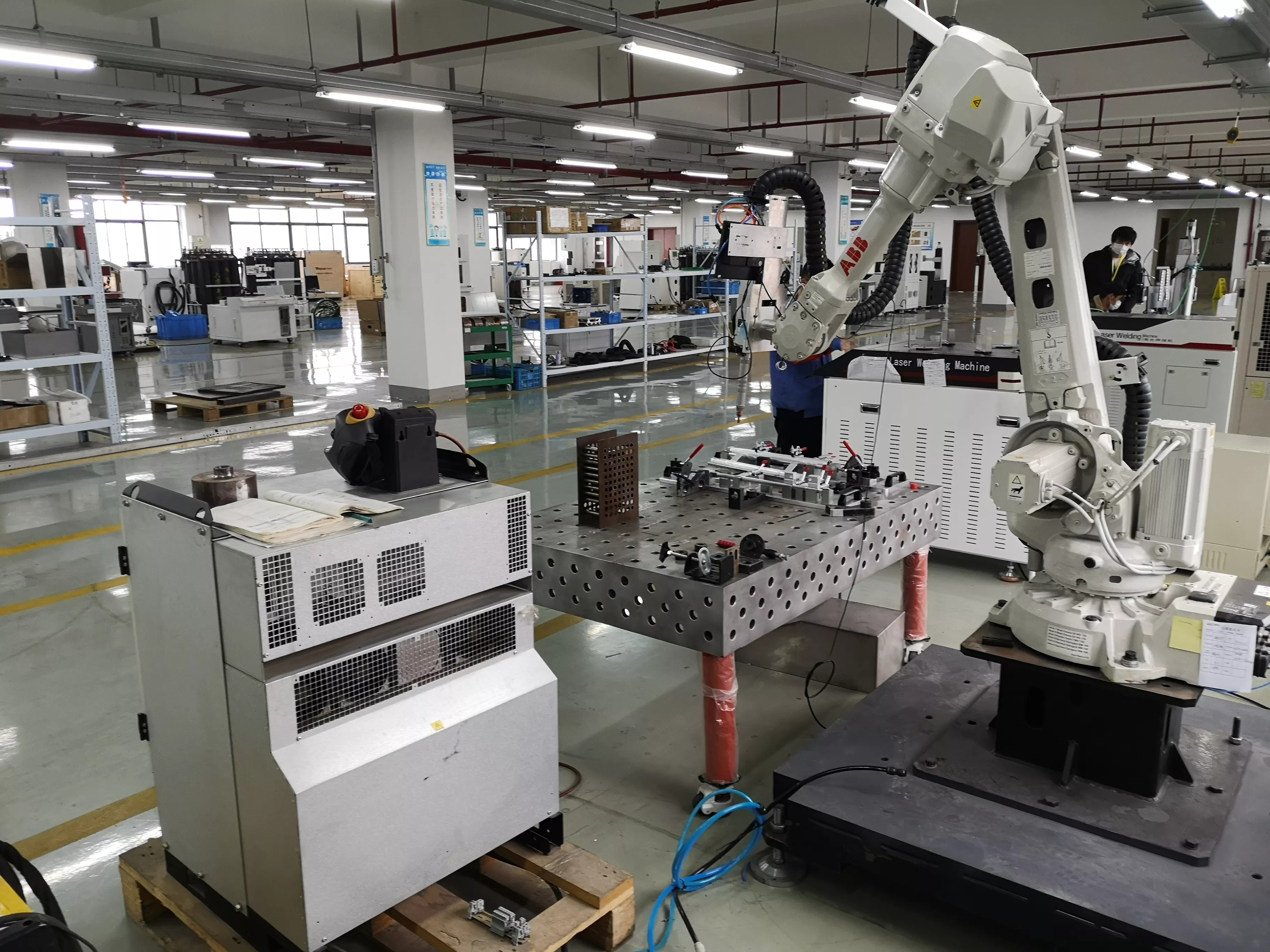
One of the standout features of automatic laser processing lines is their ability to cut at extremely high speeds without sacrificing precision. Traditional cutting methods often struggle to meet the demands for both speed and accuracy, especially when dealing with complex shapes, varying material types, or thicker materials. With laser processing, however, cuts are made with exceptional precision and speed, providing manufacturers with the ability to meet tight deadlines while maintaining high standards of quality.
The use of lasers allows for focused energy that targets small areas with extreme accuracy, significantly reducing material waste. This precision is particularly beneficial in industries such as aerospace and automotive, where the cost of raw materials is high, and wastage needs to be minimized. Every part produced by automatic laser processing lines is cut cleanly and accurately, ensuring that tight tolerances are met consistently across all parts.
In industries requiring high-precision parts, laser processing stands as a game-changer. Whether dealing with metals, polymers, or ceramics, laser processing ensures that cuts are clean, accurate, and fast, all while minimizing the need for additional finishing processes.
The integration of automation into automatic laser processing lines offers another significant advantage. With automated systems handling everything from material loading to unloading of finished parts, manual labor is reduced, and human error is minimized. This automation not only speeds up the process but also improves overall production consistency.
Laser systems work seamlessly with robotics to ensure parts are processed efficiently, cutting down on cycle times. With automation handling repetitive tasks, manufacturers can keep production lines running continuously, often 24/7, without sacrificing quality. The systems allow for a high level of customization, meaning a manufacturer can easily switch between different types of materials or products with minimal downtime.
As a result, automatic laser processing lines provide manufacturers with the ability to improve throughput while keeping costs in check. The reduced need for manual intervention means less risk of human error, further improving production quality. Manufacturers that invest in automation are well-positioned to benefit from higher production rates and better overall efficiency.
In the competitive world of manufacturing, reducing costs while maintaining quality is a priority. Automatic laser processing lines help businesses achieve these goals by reducing material waste and cutting down on expensive tooling requirements. Traditional methods often require multiple steps, including tooling changes and secondary operations, each introducing the potential for additional costs and delays. Laser processing, however, eliminates the need for these secondary processes, offering a more efficient and cost-effective solution.
The precision of laser systems also reduces the need for additional finishing work, which saves both time and money. Additionally, the energy-efficient nature of laser cutting means businesses can operate more sustainably while reducing utility costs.
On top of that, automation reduces labor costs by minimizing the need for manual labor. With fewer workers required to operate the machinery and more production occurring automatically, companies benefit from reduced labor expenses, even as they increase their output. Over time, these savings, along with the elimination of errors and waste, add up, allowing businesses to see a return on their investment.
| Aspect | Traditional Methods | Laser Processing |
|---|---|---|
| Material Waste | Higher due to inefficient cutting and the need for secondary operations. | Minimal waste due to precise, focused cuts and automated processes. |
| Production Speed | Slower due to manual operations and multiple steps. | Faster with automated systems that run 24/7 with minimal downtime. |
| Cost of Operation | Higher due to labor, tooling, and multiple production steps. | Lower due to reduced labor costs and the elimination of secondary operations. |
| Precision | Limited precision, leading to more errors and waste. | High precision, meeting tight tolerances with minimal material wastage. |
The automotive and aerospace industries require parts that are manufactured with extreme precision. Automatic laser processing lines are indispensable in these fields, where parts like gears, brackets, and complex structural elements need to be cut and welded to exact specifications. The ability of laser processing lines to handle these tasks with such precision has made them a key tool for industries where failure to meet tolerances can result in safety risks or product malfunctions.
In the aerospace industry, for instance, laser processing lines provide the ability to cut through thick metal and composite materials while minimizing heat-affected zones. This ensures that parts maintain their integrity and strength, even after cutting. With laser systems, aerospace manufacturers can produce parts that meet stringent regulatory and safety standards, all while cutting down on production times.
As for the automotive sector, laser cutting systems play a crucial role in producing high-precision parts at scale. These systems ensure that parts like engine components and body frames are cut to exact tolerances, improving the performance and safety of vehicles.
Medical device manufacturers rely on automatic laser processing lines to produce high-precision components for tools, implants, and diagnostic instruments. The laser’s ability to create intricate, tiny parts with little to no material waste is essential in meeting the strict requirements of the medical industry. From surgical instruments to implants, lasers provide the necessary accuracy to ensure that all parts meet the highest standards of quality and safety.
For example, laser micro-machining allows medical manufacturers to create parts with features as small as a few microns. These tiny, detailed cuts are not only critical for functionality but also for meeting regulatory standards. In addition, automatic laser processing lines help streamline the production of such intricate parts, reducing the risk of human error and ensuring consistent quality across all manufactured components.
Manufacturers in the medical field benefit from laser processing because of its ability to maintain the highest standards while enabling high-volume production. The technology helps them meet growing demand without compromising the precision and quality that medical devices require.
As electronics and semiconductors become smaller and more complex, automatic laser processing lines are enabling manufacturers to meet these growing demands with higher precision and speed. Laser systems are used for tasks such as cutting intricate micro-circuit boards, drilling fine holes, and texturing surfaces, all of which are essential for producing advanced electronic components.
In the semiconductor industry, where high precision is necessary for performance, laser processing ensures that parts are created to exact specifications. With lasers, manufacturers can cut micro-sized holes in circuit boards or process tiny components without introducing defects or stresses.
Laser systems also contribute to the production of flexible electronics, which require delicate, highly precise cutting. With automatic laser processing lines, manufacturers are able to create the next generation of flexible devices that are essential for wearables, smartphones, and other modern electronics.
| Industry | Benefits of Laser Processing |
|---|---|
| Automotive | High-precision cutting for parts like engine components, body frames, and structural elements; enhances vehicle performance and safety. |
| Aerospace | Cuts complex geometries in thick metals and composites while maintaining part integrity, reducing production time and meeting strict safety regulations. |
| Medical Devices | Enables micro-machining and precision cutting for intricate parts like surgical instruments and implants, meeting stringent regulatory standards. |
| Electronics & Semiconductors | Provides precise cutting, drilling, and surface texturing for small, delicate components essential in modern electronics, wearables, and circuit boards. |
An ongoing challenge in laser processing is the ability to work with diverse materials, each of which presents unique processing requirements. Metals, polymers, ceramics, and composites all require different laser settings for optimal cutting. Automatic laser processing lines are equipped with advanced software and sensors that adjust laser settings automatically to accommodate different material types and thicknesses, ensuring optimal processing.
These systems are able to adapt on the fly, allowing manufacturers to work with multiple materials in a single production run without significant delays. This adaptability makes automatic laser processing lines versatile enough to handle a wide variety of production requirements, reducing the need for multiple specialized machines.
With laser systems, manufacturers can switch between materials as needed, without the need for recalibration or setup changes. This flexibility allows companies to increase their efficiency and streamline their production processes, ultimately improving overall productivity.
Safety is always a concern in environments that use powerful laser systems. Automatic laser processing lines incorporate numerous safety features such as laser shields, enclosed workspaces, and automated systems that help limit human interaction with hazardous processes. These safety features make the environment safer for operators and reduce the risk of accidents.
Even with these advanced safety features, operator training is essential for ensuring smooth and efficient operation. Training programs equip workers with the skills they need to operate laser processing systems effectively and safely, ensuring they can handle potential issues without delays or safety breaches.
As these systems continue to evolve, manufacturers must prioritize safety training to maximize the performance of their laser processing lines and ensure a safe working environment for all involved.
Automatic laser processing lines are equipped with advanced sensors and software that monitor the cutting process in real-time. This system allows operators to detect any issues as they arise and adjust parameters to optimize cutting quality instantly.
Real-time monitoring also allows manufacturers to predict maintenance needs by tracking system performance over time. By identifying wear and tear before it becomes a problem, manufacturers can minimize unplanned downtime and avoid costly repairs. With these continuous performance checks, laser systems can maintain a high level of consistency, ensuring that each part is produced to exact specifications.
| Challenge | Solution |
|---|---|
| Handling Multiple Materials | Automatic laser systems automatically adjust settings based on material type, eliminating the need for constant recalibration. |
| Operator Safety | Integrated safety features like laser shields, enclosed workspaces, and automation reduce the risk of human interaction with hazardous processes. |
| Real-Time Monitoring | Advanced sensors and software continuously monitor cutting quality, making real-time adjustments and predicting maintenance needs to reduce downtime. |
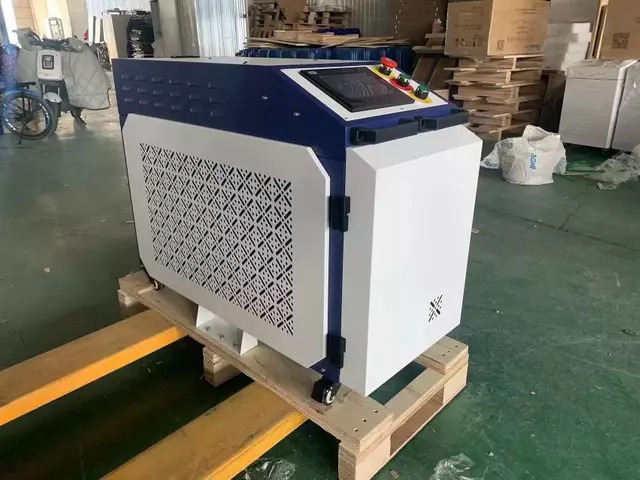
The rise of Industry 4.0 has brought about a digital transformation in manufacturing, and automatic laser processing lines are a central part of this shift. By integrating laser processing systems with other smart technologies, such as robotics, IoT devices, and cloud-based software platforms, manufacturers can create fully connected, intelligent production lines.
This integration allows for better data collection, predictive maintenance, and improved coordination between different parts of the production process. As laser systems become more connected, manufacturers can increase their operational efficiency and make more informed decisions based on real-time data.
With laser technology being part of a larger Industry 4.0 ecosystem, businesses will be able to optimize production flows, reduce waste, and enhance overall productivity, ensuring they remain competitive in an increasingly automated and digital manufacturing environment.
Recent innovations in laser technology have significantly expanded the capabilities of automatic laser processing lines. Developments in laser beam shaping, fiber optics, and multi-axis motion control systems have improved the precision and efficiency of these systems, enabling them to work with more complex materials and shapes.
The future of laser processing will likely include the use of artificial intelligence (AI) to optimize cutting patterns and handle more advanced materials. These breakthroughs are poised to provide manufacturers with even greater flexibility, enabling them to handle a broader range of materials with even more precision.
One of the key benefits of laser processing is its sustainability. Unlike traditional cutting methods that require coolants or other chemicals, laser systems are more environmentally friendly. The precision of lasers reduces material waste, which is especially important in industries with high raw material costs.
Additionally, laser processing lines consume less energy than traditional machines, making them a more efficient and eco-friendly choice. As sustainability continues to be a priority for manufacturers, adopting automatic laser processing lines will help companies reduce their environmental impact while maintaining high production standards.
The adoption of automatic laser processing lines has transformed production across various industries, such as automotive and medical devices. These systems offer unmatched speed, precision, and efficiency while reducing waste and labor costs. With seamless integration into Industry 4.0, these lines are setting new standards for manufacturing.
As technology evolves, the capabilities of laser processing lines will continue to improve, offering even greater precision and sustainability. Manufacturers who invest in these systems today will be well-equipped to stay competitive in the data-driven future.
For companies like Jinan Pioneer CNC Technology Co., Ltd., their advanced products provide high-quality solutions to meet the growing demand for automated, high-precision manufacturing. Their products help businesses streamline processes and achieve better results in production efficiency and quality.
A: An automatic laser processing line is a fully automated system that uses lasers to cut, weld, and modify materials with high precision. It streamlines production processes, reduces manual labor, and enhances speed and accuracy in manufacturing.
A: The automatic laser processing line boosts efficiency by automating tasks such as material loading and unloading. This minimizes human error, increases throughput, and enables 24/7 operation without sacrificing quality.
A: Industries like automotive, aerospace, medical devices, and electronics benefit significantly from automatic laser processing lines due to their high precision and ability to handle complex parts.
A: The automatic laser processing line reduces material waste, minimizes tooling costs, and eliminates the need for secondary operations. These savings, combined with automation, result in lower labor and long-term cost reductions.
A: Automatic laser processing lines ensure precision by focusing laser beams on small areas, maintaining tight tolerances, and reducing the risk of defects. This ensures high-quality parts with minimal material waste.
A: Yes, automatic laser processing lines are highly adaptable. They can handle various materials, including metals, polymers, and ceramics, automatically adjusting settings to ensure optimal cutting for each material type.


