
Views: 0 Author: Site Editor Publish Time: 2025-12-04 Origin: Site


The future of manufacturing is here. As industries face growing challenges, the integration of smart technologies is essential to staying competitive. At the forefront of this revolution is the Automatic Laser Processing Line.
This innovative technology is reshaping production by enhancing precision, speed, and efficiency. In this article, you will discover how laser processing is transforming smart manufacturing and why it’s crucial for modern industries.
Industry 4.0 is a significant leap forward in manufacturing, focusing on the digitalization of processes through the integration of smart technologies. With automation, artificial intelligence (AI), and Internet of Things (IoT) systems, manufacturers can now collect and analyze real-time data, optimize operations, and predict maintenance needs. This integration helps companies reduce costs, improve efficiency, and ensure the highest product quality. Industry 4.0 has already begun to shape industries ranging from automotive and aerospace to medical device production and electronics, creating new opportunities for businesses to remain competitive in an increasingly globalized and fast-paced market.
Automation in manufacturing processes not only speeds up production but also ensures consistency and precision. Through robotics, AI, and advanced sensor technology, automated systems reduce the need for human intervention, allowing manufacturers to achieve higher levels of productivity while maintaining high quality standards. This shift toward automation addresses the challenges of labor shortages, increasing operational costs, and human error. By integrating AI and IoT into manufacturing lines, automation also optimizes production schedules and minimizes delays, resulting in significant cost savings.
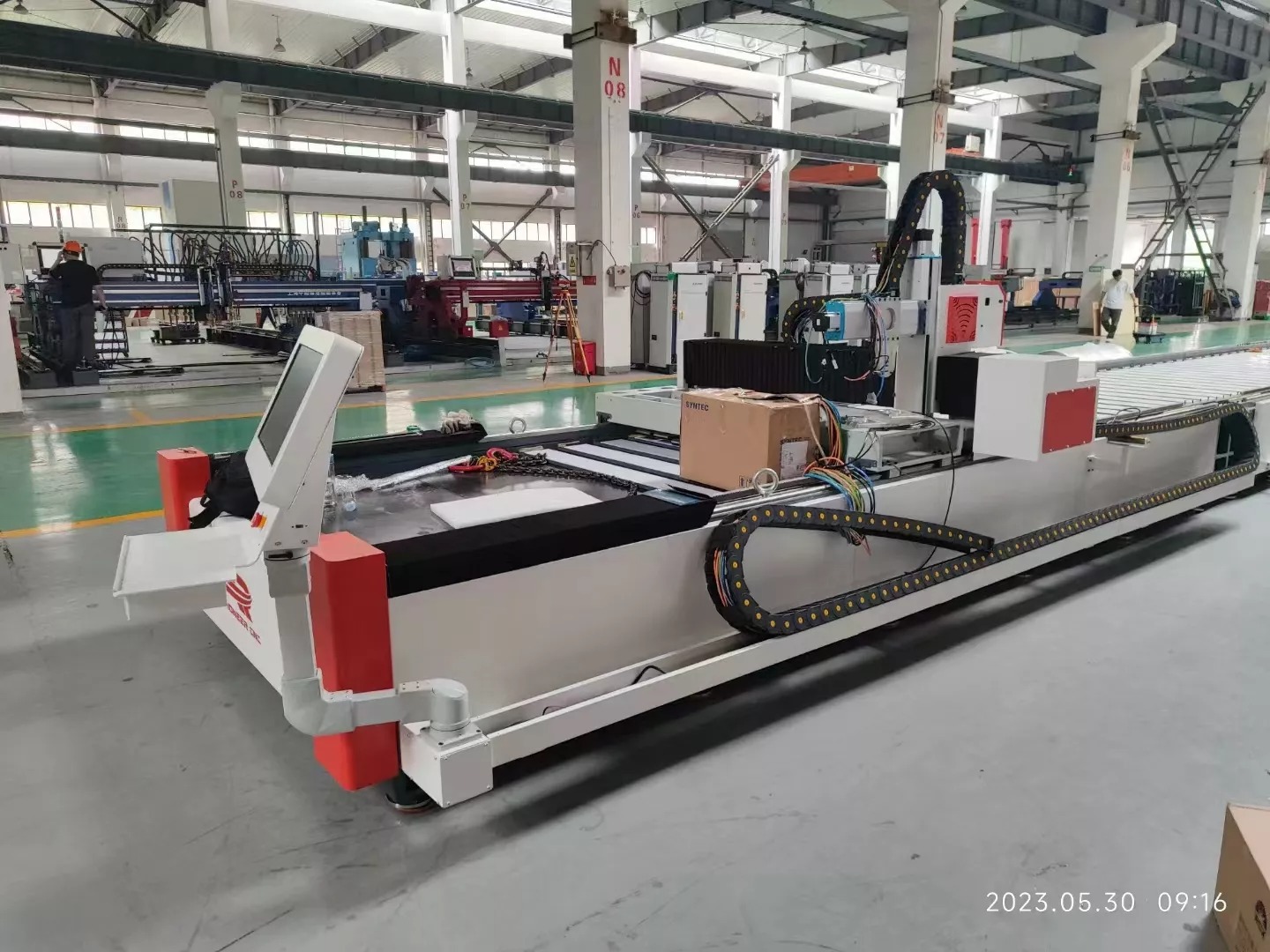
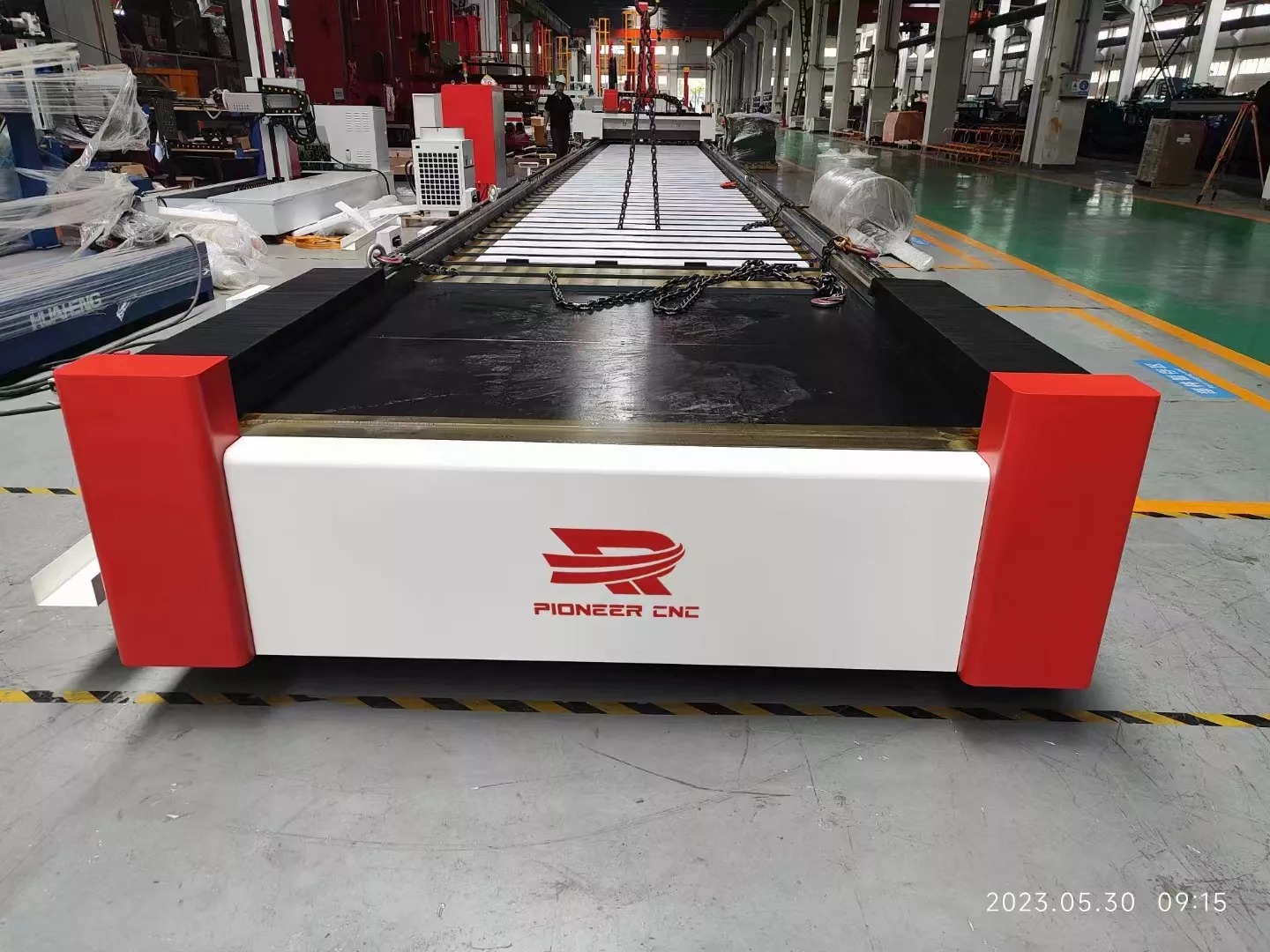
The automatic laser processing line combines high precision and automation to revolutionize traditional manufacturing processes. By using laser technology for tasks such as cutting, welding, engraving, and marking, manufacturers can achieve faster processing times and higher precision compared to conventional methods. This technology integrates seamlessly into smart factories, enhancing overall productivity, reducing operational costs, and increasing flexibility. As industries continue to push for higher efficiency and greater product complexity, the automatic laser processing line has become an essential tool for modern manufacturing.
Laser processing refers to the use of focused laser beams to manipulate materials. The laser beam’s precision, speed, and ability to control thermal input make it a highly effective tool for cutting, welding, engraving, and other manufacturing tasks. The automatic laser processing line is a fully automated system that incorporates laser technology to carry out multiple manufacturing tasks without human intervention. The system integrates with factory control systems, streamlining operations, and allowing for consistent and high-quality production with minimal downtime.
Laser processing technology operates on the principle of focusing a laser beam to a specific point on a material. The energy from the laser beam heats, melts, or vaporizes the material to perform the desired operation. The integration of automation ensures that laser processing is carried out with minimal oversight, leading to higher throughput and reduced labor costs.
The automatic laser processing line is characterized by several features that make it ideal for modern manufacturing. These include:
Non-contact processing: The laser beam does not physically touch the material, reducing the need for wear-and-tear on tools and minimizing material deformation.
High precision: Laser processing enables the cutting of intricate designs with micron-level accuracy, which is essential for industries like aerospace, automotive, and medical device manufacturing.
Adaptability: The system can handle a wide range of materials, from metals like steel and aluminum to polymers, glass, and ceramics, making it versatile across different industries.
These characteristics provide manufacturers with a tool that enhances both efficiency and precision, allowing for quicker product iterations and less material waste.
| Feature | Description |
|---|---|
| Non-contact Processing | The laser beam doesn't physically touch the material, minimizing wear and tear. |
| High Precision | Laser processing allows for micron-level accuracy, ideal for intricate designs. |
| Adaptability | Capable of processing a wide range of materials, from metals to ceramics. |
| Speed | Faster processing times compared to traditional methods, reducing cycle times. |
| Efficiency | Reduces material waste and enhances energy usage, offering cost savings. |
Compared to traditional methods such as mechanical cutting, stamping, or punching, laser processing offers several distinct advantages that make it the preferred choice for many manufacturers:
Speed: Laser processing is faster, especially when handling intricate designs or complex geometries.
Accuracy: Laser technology allows for precise cuts without the need for tool changes, ensuring a high level of repeatability.
Minimal waste: The precision of laser processing reduces the amount of scrap material produced during manufacturing, leading to cost savings and more efficient use of raw materials.
Traditional methods often involve multiple steps, including tool setup, material handling, and finishing processes. In contrast, laser processing is a single-step operation that can be programmed to achieve the desired result quickly and efficiently.
| Criterion | Laser Processing | Traditional Methods |
|---|---|---|
| Speed | Faster, especially for complex designs | Slower due to multiple stages and tool changes |
| Precision | High precision with micron-level accuracy | Lower precision with higher risk of errors |
| Waste | Minimal waste due to precise cutting | Higher waste, requiring more material handling |
| Operational Complexity | Simple, automated, and efficient | Complex, with multiple setup and finishing steps |
| Cost Efficiency | Long-term cost savings due to reduced waste and labor | Higher costs due to labor and material waste |
Laser processing lines play a significant role in improving manufacturing efficiency by automating tasks that previously required manual labor. With automated systems, manufacturers can reduce the time spent on each production cycle, leading to faster delivery times. Additionally, automation minimizes the risk of human error, resulting in fewer defects and reduced need for rework.
The use of automatic laser processing lines also reduces the cost of labor, as operators are no longer required to manually handle complex tasks. As a result, businesses can achieve greater throughput, lower labor costs, and a higher return on investment.
Automation: With automation, manufacturers can optimize production schedules and reduce downtime, resulting in improved operational efficiency.
Cost savings: By reducing material waste and labor costs, automatic laser processing lines provide long-term financial benefits for manufacturers.
Precision is a crucial factor in many manufacturing industries, especially those where the smallest mistake can lead to costly errors. Laser processing ensures high-quality, uniform products every time, with minimal variation from one part to another. The system can cut through materials with micron-level precision, making it ideal for applications in industries such as automotive, aerospace, and electronics.
Consistent results: The precision of laser processing guarantees that each part meets the required specifications, reducing the risk of defects and ensuring quality control.
Quality control: Many laser processing lines include automated quality control systems that use sensors and cameras to monitor the quality of each part during production.
These capabilities make laser processing lines essential for industries where quality and precision are paramount.
One of the most significant benefits of automatic laser processing lines is their ability to integrate with IoT systems. Through real-time data collection and monitoring, manufacturers can track the performance of each machine, detect potential issues before they cause downtime, and optimize production schedules.
Real-time data collection: Sensors and IoT technology provide manufacturers with valuable insights into machine health, laser efficiency, and power usage, helping to optimize production and reduce downtime.
Predictive maintenance: By analyzing data collected from machines, manufacturers can predict when maintenance will be required and perform repairs before any problems arise, preventing costly disruptions.
This integration helps manufacturers maintain a smooth and efficient production process, ensuring that operations continue without interruption.
Artificial Intelligence (AI) is playing an increasingly important role in enhancing the capabilities of laser processing lines. By incorporating machine learning algorithms, manufacturers can optimize laser cutting and processing parameters in real-time, improving efficiency and quality.
Predictive maintenance: AI can predict potential issues by analyzing historical data, reducing downtime and extending the lifespan of equipment.
Optimization: Machine learning allows for the continuous optimization of processes by automatically adjusting settings like cutting speed, laser power, and beam focus based on real-time data.
These AI-driven improvements lead to higher-quality production and more efficient use of resources, helping manufacturers stay competitive in a rapidly evolving industry.
Laser technology continues to advance, with innovations aimed at increasing efficiency and expanding the range of materials that can be processed. Fiber lasers, for example, offer higher energy efficiency and better beam quality than traditional CO2 lasers, making them ideal for high-precision applications. Additionally, ultrafast lasers with picosecond and femtosecond pulses provide exceptional precision without causing thermal damage to materials.
Fiber lasers: These lasers are more efficient and have a smaller footprint, allowing for faster cutting speeds and reduced energy consumption.
Ultrafast lasers: Capable of handling delicate materials and micro-machining with minimal thermal impact, these lasers enable even finer precision.
These advancements will allow laser processing to continue evolving, meeting the growing demands for higher precision and faster processing times in industries like aerospace, automotive, and electronics.
Laser processing is no longer limited to traditional manufacturing industries. As technology advances, it is finding applications in a wider range of sectors, including medical device manufacturing, electronics, and even textiles.
Medical devices: Laser processing is increasingly being used to create high-precision components for medical devices, including surgical instruments and implants.
Electronics: With the demand for smaller, more complex electronic components, laser processing is essential for cutting and shaping delicate materials used in circuit boards and semiconductors.
As more industries adopt laser processing, its scope and capabilities will continue to expand, enabling new manufacturing innovations.
In the automotive industry, precision and efficiency are key. Laser processing is used for cutting, welding, and engraving automotive components, ensuring high-quality results with minimal material waste.
Precision welding: Laser welding is essential for creating high-strength joints in components like car bodies, exhaust systems, and chassis parts.
Efficient cutting: Laser cutting allows manufacturers to create intricate designs for car parts, reducing the time and cost involved in the manufacturing process.
These capabilities make laser processing lines an invaluable tool for the automotive industry, where efficiency and quality are critical.
In aerospace and defense, the stakes are high, and precision is non-negotiable. Laser processing is used to create components for aircraft, spacecraft, and military equipment, where every part must meet strict performance and safety standards.
High-precision components: Laser cutting and welding are used for producing turbine blades, wing structures, and other critical parts that require exceptional accuracy.
Material efficiency: Laser processing reduces material waste, which is especially important in industries like aerospace where high-strength materials are expensive and difficult to replace.
These applications demonstrate the versatility and importance of laser processing in industries where precision is paramount.
Laser processing is vital for the electronics and semiconductor industries, where the complexity of components continues to increase. Laser cutting, engraving, and micromachining techniques are used to manufacture small, intricate parts like circuit boards and connectors.
Micromachining: Laser processing allows for the creation of tiny components with micron-level precision, ensuring the functionality of modern electronic devices.
Component cutting: It enables the cutting of delicate semiconductor materials without causing thermal damage, maintaining the integrity of sensitive components.
Laser processing is essential for meeting the growing demands for smaller, more powerful electronic devices.
| Industry | Applications | Key Benefits |
|---|---|---|
| Automotive | Cutting, welding, engraving automotive parts | High precision, reduced waste, improved efficiency |
| Aerospace & Defense | Cutting and welding aerospace components | High-strength materials, precision, reliability |
| Electronics & Semiconductors | Micromachining, component cutting | Precision, minimal thermal impact, micro-level work |
| Medical Devices | Surgical tools, implants, precision parts | High precision, intricate designs, quality control |
Laser processing offers significant environmental benefits by reducing material waste. The precision of laser cutting allows for tight tolerances and minimal scrap, which not only lowers costs but also supports sustainability efforts.
Efficient cutting: Laser processing results in less material waste compared to traditional methods like stamping or mechanical cutting.
Cost-effective: Reduced material waste translates into lower production costs, making laser processing an attractive option for manufacturers.
By reducing waste, laser processing contributes to a more sustainable and eco-friendly manufacturing process.
In addition to reducing material waste, laser processing lines are more energy-efficient than traditional methods. The energy consumption of laser systems is lower, and innovations like fiber lasers contribute to further reductions in energy usage.
Lower energy usage: Fiber lasers are more energy-efficient than traditional CO2 lasers, helping to reduce the overall energy consumption of manufacturing processes.
Sustainability: By using less energy and reducing chemical waste, laser processing aligns with green manufacturing practices, supporting companies' sustainability goals.
The automatic laser processing line is transforming manufacturing. Its precision, waste reduction, and integration with smart factories make it essential for the future of production. Companies embracing this technology will enhance efficiency and stay competitive in a rapidly evolving market.
For those seeking top-quality laser processing solutions, Jinan Pioneer CNC Technology Co., Ltd. offers advanced products designed to meet the highest standards. Their cutting-edge technology delivers value by optimizing production efficiency and ensuring consistent quality across industries.
A: An Automatic Laser Processing Line is a fully automated system that uses laser technology for tasks like cutting, welding, and engraving. It integrates with smart factories, offering high precision and efficiency in production.
A: By automating key manufacturing tasks, the Automatic Laser Processing Line reduces the need for manual labor, speeds up production, and minimizes human error, resulting in improved efficiency and lower operational costs.
A: Investing in an Automatic Laser Processing Line ensures high precision, faster production cycles, and reduced material waste, providing long-term savings and a competitive edge in the market.
A: Industries such as automotive, aerospace, electronics, and medical device manufacturing benefit from the precision and speed of an Automatic Laser Processing Line.
A: Unlike traditional methods, the Automatic Laser Processing Line offers higher speed, better precision, and less material waste, making it more efficient and cost-effective.


